
Creating a comfortable and healthy work environment doesn’t stop at offering good back support or a cushy chair. There’s a huge connection between ergonomics, the way our workspace is set up, and our mental well-being. From working at a kitchen table that makes your shoulders ache to smashing deadlines while hunched over a laptop, these choices shape how you feel every day. Here’s an all-in-one look at how prioritizing ergonomics does more than just protect your body; it can seriously give a boost to your mental health, too.
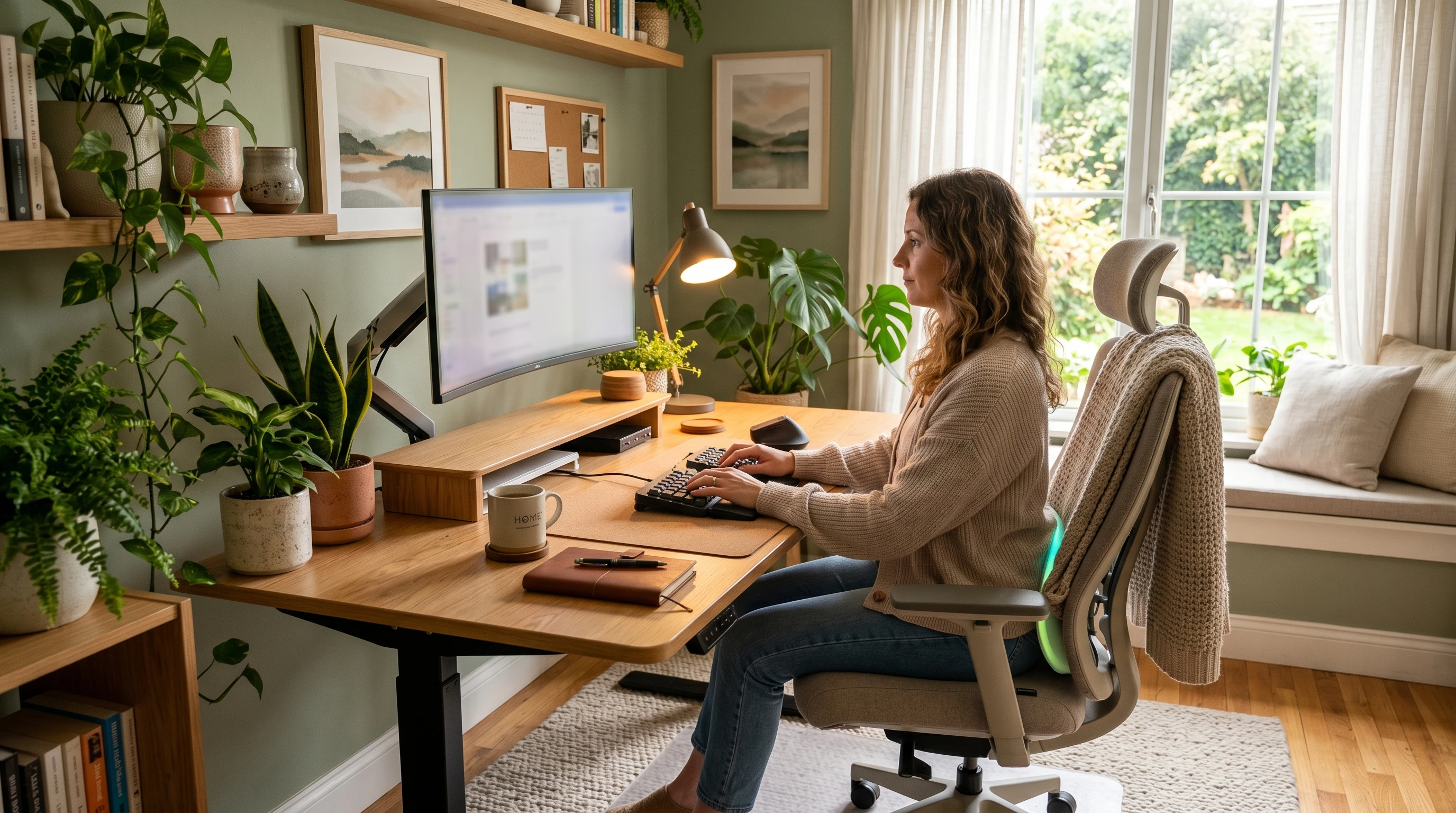
TL;DR: Ergonomics and mental health benefits go deeper than comfort. A better workspace can reduce aches, stress, fatigue, and distractions, making it easier to focus and feel calm during the day. Small changes like better lighting, screen height, chair support, and noise control can help protect both your body and your mood.
Why Ergonomics Matter for Mental Wellness
Most people know that a good chair can keep your back feeling solid through a long week. But I’ve noticed, and research backs this up, that the shape of your workspace affects more than just how your body feels. It changes your mood, your stress levels, and how sharp you are when you need to focus. Being stuck in a badly designed workspace can leave you drained, distracted, or even irritable. A supportive setup can keep you feeling energized and capable.
Smart ergonomic choices don’t just help your physical health; they feed directly into your sense of well-being. When discomfort and awkward furniture are out of the picture, your brain is free to focus on your actual tasks and creative ideas. This not only makes work more enjoyable but it also helps knock down stress and anxiety that pile up during a rough day.
The Science Linking Ergonomics and Mental Health
Studies in occupational health have found that poor ergonomics can lead to more than just aches and injuries. For example, the CDC notes that repetitive strain and poor posture have been tied to higher risks of burnout, depression, and reduced concentration (CDC Workplace Stress). Chronic pain from a bad setup doesn’t just distract you; it’s also been shown to increase anxiety and affect sleep.
At the same time, thoughtful workspaces are linked to positive feelings. I’ve seen teams thrive just by switching to adjustable desks, supportive chairs, and better lighting. Even bringing in plants or personal touches can lower your cortisol levels and bring some calm to a busy day. That’s huge for anyone who’s working in a high-pressure role or juggling deadlines from home.
5 Steps Toward a Mentally-Friendly Ergonomic Space
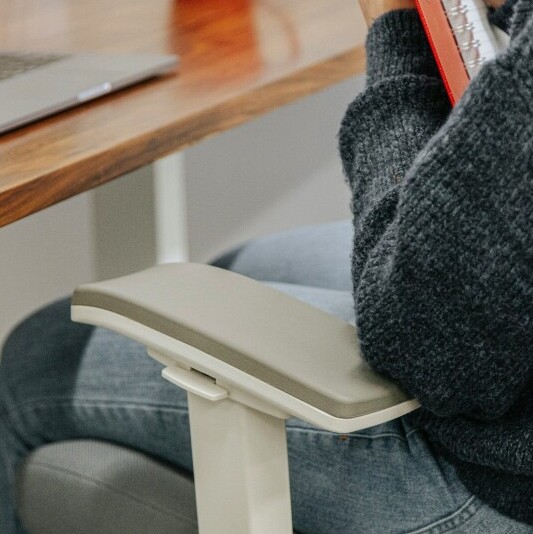 Building a workspace that supports your mind as much as your body isn’t complicated, but it does call for a bit of attention to the details. Here are five steps that anyone can follow to bring more balance into their working day. You might be surprised how much these small changes can positively affect your mental health:
- Desk and Chair Setup: Get a chair that lets you adjust the height and angle. Your feet should rest flat. Pair it with a desk that keeps your arms bent naturally at 90 degrees as you type. If investment in new furniture isn’t possible, adding a cushion or adjusting your table height with books can make a difference.
- Screen Position: Position your screen so that the top is about eye level. This keeps neck strain, and stress headaches, at bay. If you use multiple screens, move them so you don’t have to twist your neck constantly.
- Lighting for Calm and Focus: Natural light is your friend. Many people work in windowless rooms or at night; if that’s tricky, try warm desk lamps and avoid harsh or flickering overhead lights, which tend to amp up anxiety.
- Noise Control: If possible, add soft materials like a rug or wall hangings that help soak up background noise and create a calmer vibe. Plants and even fabric storage bins can soften harsh sounds and improve your focus.
- Making It Personal: Small touches like plants, art, or encouraging reminders do more than decorate your desk; they actually help boost mood and motivation. Personalizing your work area can create a sense of ownership and positivity in your day-to-day routine.
Even if you can only make a few tweaks at a time, each change can have a ripple effect on how you think and feel during your workday.
Common Challenges and Simple Fixes
I’ve heard from a lot of people who want to improve their space but feel stuck by budget or limited room. You don’t need to spend a ton to get real mental health perks from ergonomic upgrades. Here are a few hurdles I see a lot, along with practical ways to deal with them to help you find your way to a better setup:
- Lack of Space: Small rooms can feel cramped and stressful. Compact standing desks or even a laptop stand on a regular table can make a difference. Vertical storage and wall shelves free up space and leave things feeling less cluttered and overwhelming.
- Tight Budgets: It’s not always necessary to buy the fanciest chair for comfort. Seat cushions, small footrests, or a rolled towel for lumbar support are effective. Swapping out harsh lighting with affordable LED desk lamps can also lift your mood and brighten up your work area without breaking the bank.
- Noise and Distractions: Open plan homes and apartments can make it tough to concentrate. Noise canceling headphones or a simple white noise machine can help create a focused zone even in a busy house. Setting boundaries with others for work time or using visual signals (like a closed door or sign) can also help limit distractions.
Ergonomics and Burnout Prevention
Burnout often creeps in slowly, usually when you’re pushing through long stretches of work without really noticing how much discomfort you’re putting up with. An ergonomic workspace makes it easier to take breaks, move around naturally, and listen to what your mind and body need. Something as simple as standing up to stretch or changing posture every hour can help maintain mental clarity, restore energy, and prevent exhaustion.
Making these changes fosters a habit of self-care throughout the day. Over time, being attentive to your workspace can build resilience, so stress and burnout are less likely to take hold. Remember, even little steps matter. Swapping out a hard chair or bringing in a potted plant can boost your mood.
4 Cool Features That Make a Difference
- Standing Desks: Switching between sitting and standing can reduce muscle fatigue and heavy feelings of lethargy, helping you stay fresh for longer. Adjustable versions make it easy to adjust throughout the day.
- Monitor Arms: These let you adjust your screen quickly and easily. Moving your monitor to the right height supports better posture and prevents neck and shoulder tension, letting you stay focused without distractions from pain.
- Footrests and Wrist Rests: Sometimes little add-ons go a long way in keeping your position relaxed, especially during focused work sessions. These support your body and can help reduce fidgeting or discomfort.
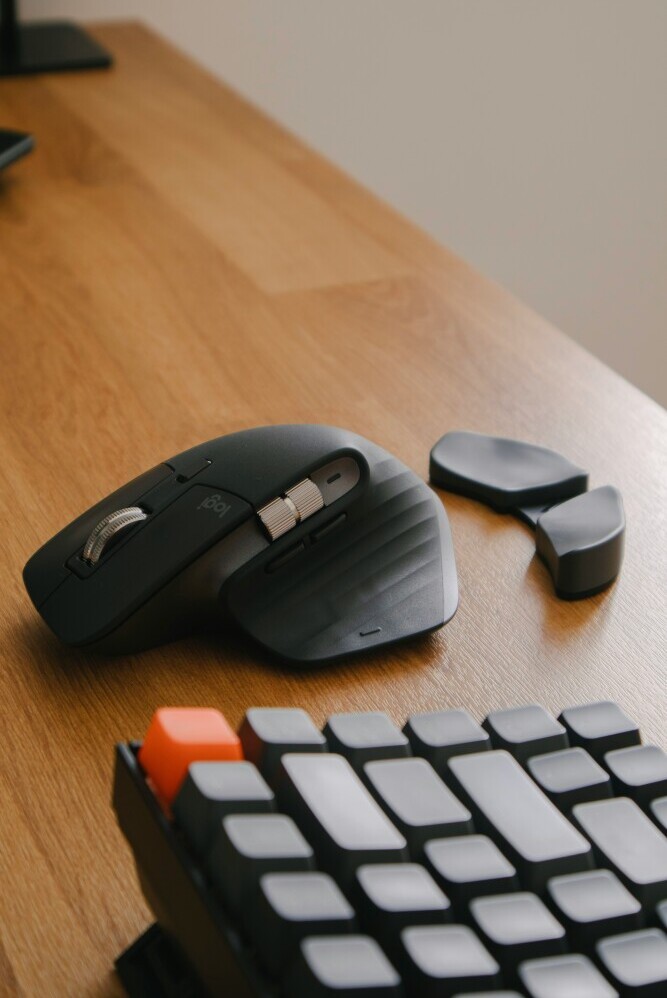
- Ergonomic Keyboard and Mouse: These can cut down on hand and wrist strain. I notice how they help people with focus and sustained energy because micro-discomfort isn’t distracting them.
Other handy additions include anti-fatigue mats for standing desks, blue light blocking lenses for screens, and lightweight headphones for longer calls.
Frequently Asked Questions About Ergonomics and Mental Health
I get a lot of the same questions from people trying to find their work-life groove. Here are some of the most common ones, and you’ll see how simple adjustments can make a huge impact on how you feel, think, and perform:
Question: Can changing my chair or desk really affect my mood?
Answer: Definitely. When you’re free of physical discomfort, your mind has more room for creative thought and stress management. A supportive setup helps slash tension and can lift your day-to-day mood. Many people are surprised at how much lighter and more positive they feel once nagging pain is gone.
Question: What’s the biggest mental health perk of a good ergonomic setup?
Answer: Reduced stress, hands down. When you deal with less pain, take fewer unplanned breaks, and don’t get distracted by nagging tension, tasks feel more manageable and less overwhelming. Plus, an organized, comfortable space can foster positivity and a sense of accomplishment.
Question: How do I know if my space needs an ergonomic overhaul?
Answer: If you’re ending your workday with aches, tension, headaches, or you’re feeling run-down and unfocused, your setup might need a few tweaks. Even a handful of small adjustments often bring quick improvements. If your motivation or mood drops in your space, it could be time for a refresh.
Bringing Everything Together
Prioritizing ergonomics isn’t just about comfort. It’s an all-in-one way to support your emotional and psychological well-being every day. Intentional changes to your workspace have the potential to give your mood a boost, clear your mind, and keep stress levels in check. If you’re curious about where to start, the best path is to make small, consistent tweaks. They really add up over time.
Ergonomics and mental health go hand in hand, so giving your workspace a bit of attention helps make every day better, for both your mind and your body. Try out a few ideas and see how much lighter your days feel. The payoff is definitely worth it!
Let us know what small, but impactful changes you make or wish to make in the comments section below.