
Designing a kitchen that feels as good as it looks comes down to putting comfort and efficiency right at the top of the list. Ergonomic kitchen design is all about creating a space that works with your daily movements, keeping your body from aches, pains, and unnecessary steps. In this article, I’ll break down the basics, what to focus on first, common challenges, extra tips, and some FAQs that can help you get started on building a kitchen you actually enjoy using.
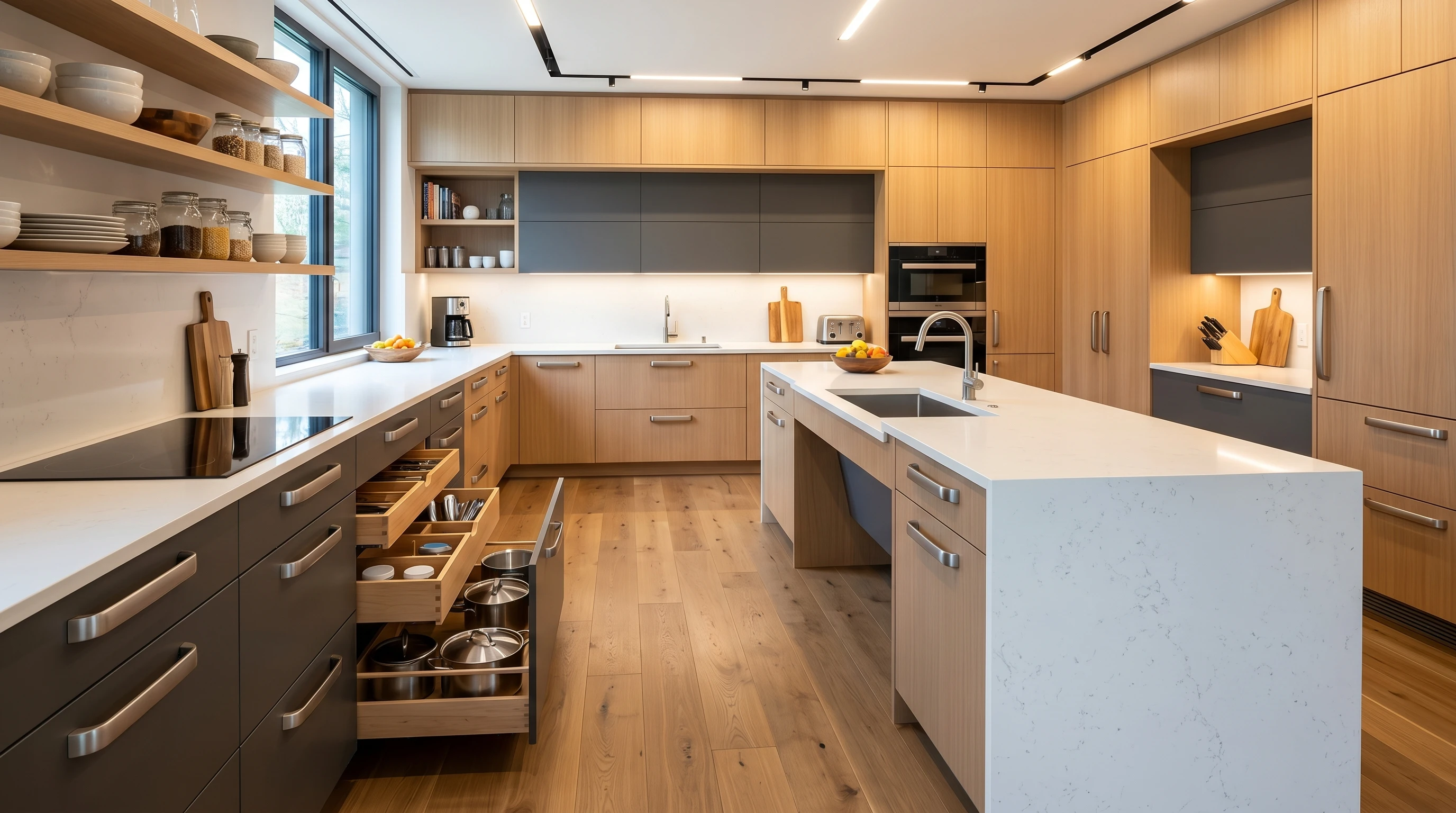
TL;DR: Ergonomic kitchen design helps your kitchen fit the way you actually move. Keep the sink, stove, and fridge (kitchen triangle) easy to reach, store everyday items between shoulder and hip height, use clear aisles, add task lighting, and consider pull-outs, varied counter heights, or anti-fatigue mats to reduce bending, reaching, and strain.
Why Ergonomic Kitchen Design Matters
Ergonomic kitchens aren’t just for chefs or people who cook eight-course meals every night. Even if you’re heating up leftovers or packing lunches, an ergonomic space makes daily life smoother. When work surfaces, appliances, and storage are planned thoughtfully, you save energy, reduce stress on your body, and cut down time spent looking for utensils or moving back and forth awkwardly.
The kitchen is usually the busiest room in the house, and it can also be one of the trickiest when it comes to keeping things comfortable. Whether you’re reaching high shelves, bending for pots, or squeezing through tight spots, the layout can have a real impact on your mood and your body.
Jumping into the basics of ergonomic design can truly transform the way the kitchen feels, boost your efficiency, and help keep strain out of your daily routine. According to the National Kitchen & Bath Association, ergonomic layouts are a growing trend, with more people asking for kitchens that fit their lifestyle, instead of the other way around.
Understanding the Foundations of an Ergonomic Kitchen
Creating a kitchen that feels good to use comes down to a few guiding ideas. The core principle is simple: aim to make everyday movements smoother and less stressful. I started paying close attention to how many steps it takes to move from the fridge to the sink or how often I bend down for mixing bowls, and it made me rethink my setup completely.
Here are the essentials I always look at right from the start:
- Work Triangle: The classic kitchen “work triangle” connects the sink, stove, and fridge. Keeping them within easy reach of each other, without obstacles in between, cuts down on excess steps and awkward reaches. Most pros recommend no more than 9 feet between any two points of the triangle.
- Counter Height: The typical counter height is 36 inches, but that’s not a one-size-fits-all number. If you’re taller or shorter, adjusting counter height up or down a couple of inches can make a world of difference for your back.
- Clear Aisles: Spaces between counters and islands should be wide enough for easy movement, at least 42 inches, especially if more than one person is cooking. Narrow aisles are a recipe for stubbed toes and spills.
Getting these basics right sets the foundation for a kitchen that just works better for you, and anyone else who might be cooking or cleaning up.
5 Simple Steps for Improving Kitchen Ergonomics
 It’s easy to get overwhelmed by a big kitchen remodel, but even small changes go a long way. These practical steps are worth considering before, during, or even after a renovation project:
- Audit Your Movements: Spend a day or two just noting how often you reach, bend, squat, or walk back and forth. This gives you a clear picture of what parts of the kitchen need attention.
- Group Items Where They’re Used: Store pots and pans near the stove, utensils in drawers close to your prep area, and cutting boards by the sink. Keeping things close to where you use them saves time and physical effort.
- Adjust Storage Heights: Put everyday items (like plates, bowls, and glasses) between shoulder and hip height. Lower cabinets can be fitted with pullout shelves, so you don’t have to kneel down to reach for heavy dishes.
- Install Pull-Outs and Lazy Susans: These gadgets help you see and grab hard to reach items in tight spaces or corners, sparing your back some strain.
- Use Anti-Fatigue Mats: Cushioned floor mats in front of the sink or stove provide support if you spend a lot of time standing, especially on hard flooring like tile.
All these tweaks can be done gradually if a total remodel isn’t on your radar. Even swapping traditional lower cabinets for drawers or adding a pullout trash bin makes an immediate difference.
4 Things to Watch Out for When Planning an Ergonomic Kitchen
Ever feel like your kitchen is working against you, not with you? There are a handful of classic trouble spots in home kitchens; here’s what I look out for and some ways to work around them:
- Cabinet Height: Upper cabinets placed too high are frustrating and increase the risk of strain, especially if you’re always grabbing for cereal boxes or dishes. I like keeping the most-used shelves no higher than eye level.
- Corner Cabinets: These are famous for trapping pans and food processors way out of reach. Corner pullout shelves or carousels can make a world of difference here.
- Deep Drawers: Deep drawers under counters can hide a mess of kitchen gadgets, but they work great for heavier items if fitted with dividers or organizers.
- Lighting: Good task lighting over the prep area, stove, and sink keeps your eyes from straining. Under-cabinet lights or LED strips are super useful and easy to add later.
Cabinet Height and Everyday Storage
Tall cabinets look great, but they aren’t always friendly for daily life. I use step stools safely and store only occasionally used items up high. For everything else, shelves and drawers at arm’s reach are the way to go.
Addressing Corner Cabinets
Standard corner cabinets force you to get on your knees and reach blind. I love corner units with rotating trays or pullout shelves; they’re pretty handy for storing mixers and larger pans you don’t use every day.
Sensible Lighting Upgrades
If your kitchen feels dim, adding bright, focused lighting pays off quickly. It helps prevent accidents and cuts down on eye fatigue. I’ve found LED strip kits easy to install without an electrician, and they make a big impact over both counters and inside deep drawers.
Pro Tips That Make a Big Difference
 Once the basic layout is working well, it’s worth upgrading a few details to really fine tune your kitchen’s ergonomics. These tweaks can fit into most budgets and often make daily tasks easier right away:
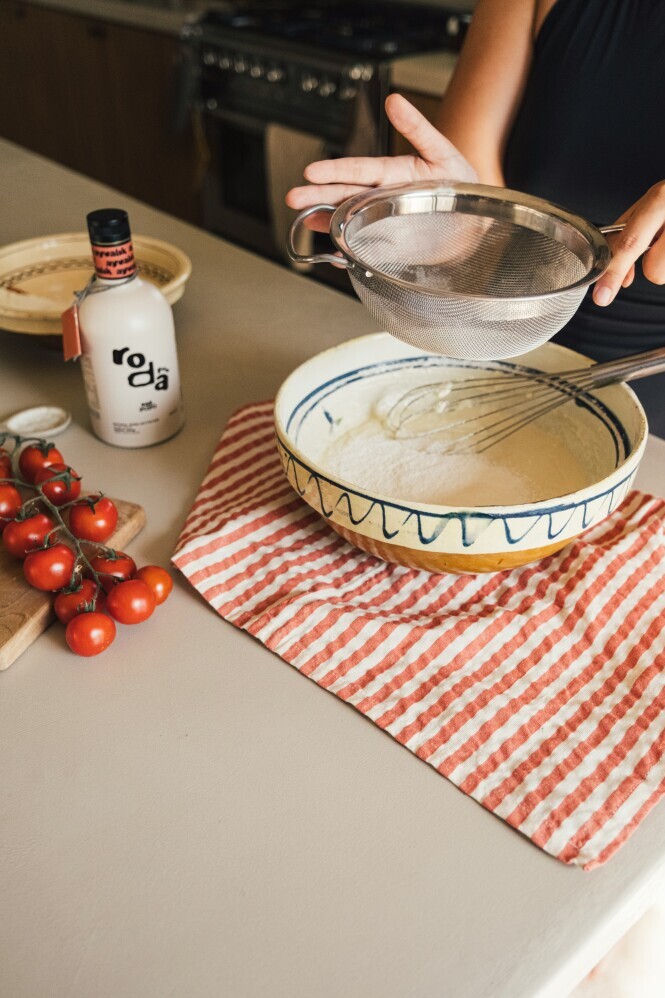
Mix Up Counter Heights: If you bake, having one counter a few inches lower helps with kneading dough or rolling out pastry without shoulder strain. Meanwhile, a bar-height space is nice for quick meals or chatting with guests while you prep.
Go for Easy-Hold Handles: Swapping out knobs for handles gives you a better grip, especially if your hands are wet or achy after a long cooking session.
Try Touch Activated Faucets: These are super useful when your hands are messy or full, cutting down on cleanup and making kitchen tasks a bit smoother.
Consider Appliance Drawers: Under-counter refrigerators and dishwashers are getting popular; these are easier on your back than full-height models, and they blend into the cabinetry for a clean look.
Tweaking your setup in these practical ways helps keep your kitchen working for you, not the other way around.
Common Questions About Ergonomic Kitchen Design
Here are a few things people often ask when they’re looking to give their kitchen’s ergonomics a boost:
Question: What’s the biggest mistake people make in kitchen design?
Answer: Ignoring how far you have to walk between the fridge, sink, and stove. If the kitchen triangle is too big or gets blocked by an island or open door, it adds up in fatigue, especially if you cook often.
Question: Are there affordable ways to make my existing kitchen more ergonomic?
Answer: Simple things like changing drawer organizers, using nonslip mats, and installing task lighting cost little and make a real difference.
Question: Can I make a small kitchen ergonomic?
Answer: Yes, a small kitchen can actually work more ergonomically because less space means fewer steps. Organization and smart storage are key; think vertical storage, magnetic knife strips, and using the inside of cabinet doors for extra shelves or hooks.
Making Your Kitchen Fit You
When a kitchen is shaped around the way you actually live, cooking and cleaning become smoother, more enjoyable, and less of a chore. Choosing a layout and features that match your height, reach, and cooking style means you use your kitchen more, and it feels better every time you do. Try out a few changes first, notice how it feels, and don’t be afraid to experiment. The best ergonomic kitchen is the one that actually works best for you!
If you really want to get into the details of ergonomic kitchens, try mapping your routines for a week. Write down where you stand, what you grab, and where you run into things that slow you down. You might stumble upon patterns that let you fine tune your kitchen for maximum comfort. And when you’re ready to upgrade, don’t focus only on looks; your back, shoulders, and mood will thank you for investing in a space built with your daily movements in mind. Cooking can actually be fun when your kitchen is built to fit you!
Having a great ergonomic design is even more important for the kitchen when you work from home. I just added extra lighting around the stove and sink, using plug-ins I purchased months ago. This should help reduce my eye-strain. If you’ve made or plan to make some changes, what would you do to make your kitchen work better for you?